Choosing the Right Fixtures for Outdoor Lighting Installation
Outdoor lighting plays a major role in how your home looks, feels, and functions after sunset. The right lighting fixtures can enhance curb appeal, improve safety, highlight landscaping, and create inviting outdoor living spaces. Choosing the wrong fixtures, however, can lead to uneven lighting, higher energy costs, and frequent maintenance issues. Understanding how to select the right outdoor lighting fixtures helps you achieve both beauty and practicality while making the most of your investment. This guide walks you through the most important factors to consider when choosing fixtures for outdoor lighting installation, helping you create a well lit and visually appealing exterior.
Contents
Understand the Purpose of Your Outdoor Lighting
Before selecting fixtures, it is important to clearly define what you want your outdoor lighting to accomplish. Different areas around your property serve different purposes and each requires a specific type of lighting. Security lighting focuses on deterring intruders and increasing visibility around entrances, driveways, and dark corners. Pathway lighting helps guide movement safely along walkways and garden paths. Accent lighting highlights architectural features, trees, water elements, or landscaping details. Ambient lighting creates a warm and welcoming atmosphere for patios, decks, and outdoor seating areas. Identifying the purpose of each lighting zone allows you to choose fixtures that provide the right brightness, beam spread, and style for that space. Professional outdoor lighting installation Melbourne services can enhance your property’s safety, curb appeal, and nighttime ambiance with expertly designed and installed lighting solutions.
Consider Fixture Types for Different Outdoor Areas
Outdoor lighting fixtures come in many styles and designs, each suited to specific applications. Knowing the most common types helps you match the fixture to the location.
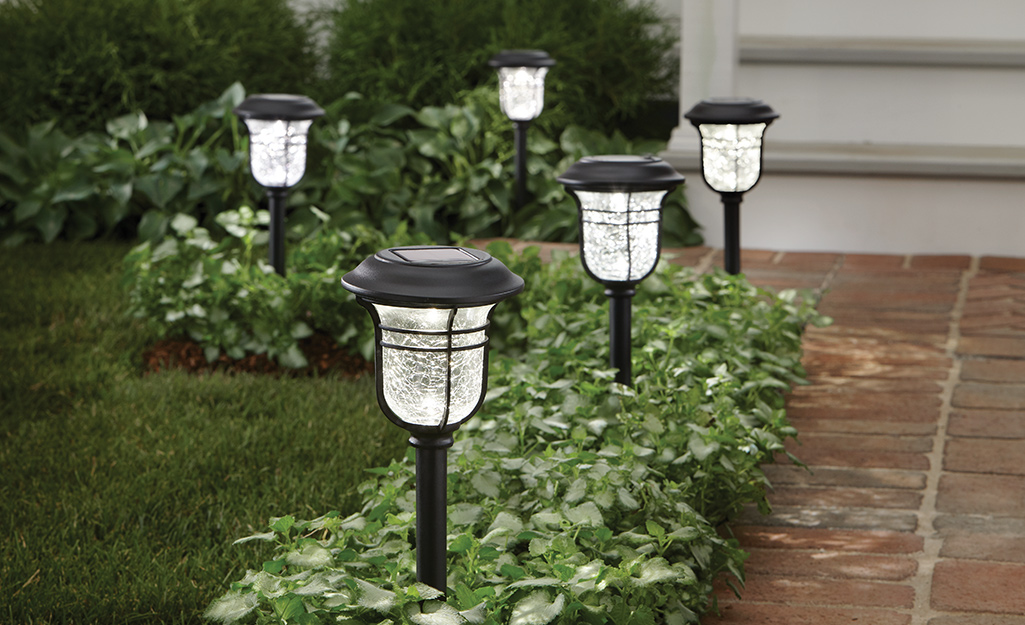
Wall mounted fixtures are ideal for entrances, garages, and exterior walls. They provide functional illumination while also contributing to the overall design of your home. Post lights are commonly used along driveways, walkways, and garden edges to provide even and balanced lighting. Path lights are smaller fixtures designed to illuminate walkways without overwhelming the surrounding landscape.
Spotlights and floodlights are used for security and accent purposes. Spotlights create focused beams for highlighting features, while floodlights cover wider areas. Step lights are installed on stair risers and retaining walls to improve safety and visibility. Deck and patio lights enhance outdoor living spaces by providing subtle, comfortable illumination.
Choosing the right fixture type ensures your lighting works efficiently and enhances each outdoor area.
Choose Materials That Withstand Outdoor Conditions
Outdoor lighting fixtures are constantly exposed to weather elements such as rain, wind, heat, and cold. Selecting durable materials is essential for long term performance and appearance.
Aluminum fixtures are lightweight, rust resistant, and commonly used for outdoor lighting. Stainless steel offers a modern look and excellent resistance to corrosion, especially in coastal areas. Brass and copper fixtures are highly durable and develop a natural patina over time, making them ideal for traditional and high end designs. Plastic fixtures are affordable but may fade or crack with prolonged sun exposure.
Always check that fixtures are rated for outdoor use and designed to withstand the climate in your area. Investing in quality materials reduces maintenance costs and extends the life of your lighting system.
Pay Attention to Light Output and Color Temperature
Brightness and color temperature play a crucial role in how outdoor spaces look and feel. Too much light can cause glare and discomfort, while too little light can create safety concerns.
Lumens measure brightness and should be selected based on the fixture’s purpose. Path lights generally require lower lumens, while security lights need higher output. Color temperature affects the warmth or coolness of the light. Warm white light creates a cozy and welcoming atmosphere, making it ideal for patios and entryways. Cool white or daylight tones provide crisp visibility and are often used for security and task lighting.
Balancing brightness and color temperature ensures your outdoor lighting feels comfortable and functional rather than harsh or dull.
Think About Energy Efficiency and Lighting Technology
Energy efficiency is an important consideration when choosing outdoor lighting fixtures, especially for systems that operate for long hours.
LED lighting is the most popular choice due to its long lifespan, low energy consumption, and minimal heat output. LED fixtures reduce electricity costs and require less frequent replacement compared to traditional bulbs. Solar powered fixtures are another option for pathways and garden areas. They use renewable energy and require no wiring, although their brightness and reliability depend on sunlight exposure.
Motion sensors and timers further enhance energy efficiency by ensuring lights are only on when needed. Choosing energy efficient fixtures helps reduce environmental impact while lowering ongoing costs.
Match Fixture Style with Your Home’s Architecture
Outdoor lighting should complement the architectural style of your home rather than clash with it. Fixture design, finish, and scale all contribute to a cohesive look.
Traditional homes pair well with lantern style fixtures, decorative posts, and warm finishes like bronze or copper. Modern homes benefit from sleek, minimalist fixtures with clean lines and neutral finishes such as black or brushed steel. Rustic or farmhouse styles work well with weathered finishes and simple designs.
Selecting fixtures that align with your home’s character enhances curb appeal and creates a unified exterior appearance.
Consider Installation and Maintenance Requirements
Some outdoor lighting fixtures are easier to install and maintain than others. Understanding installation requirements helps avoid complications and unexpected costs.
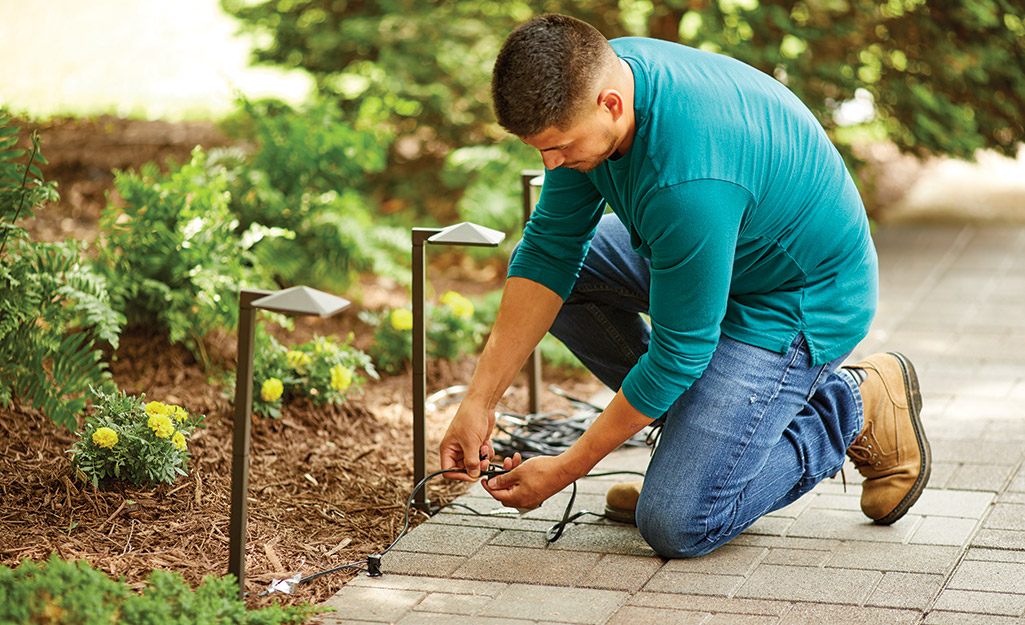
Low voltage systems are easier to install and safer for residential use. Hardwired fixtures may require professional installation but offer reliable performance. Solar fixtures require minimal installation but may need regular cleaning to maintain efficiency.
Maintenance considerations include bulb replacement, fixture cleaning, and weather resistance. Choosing fixtures with accessible components and durable finishes simplifies upkeep and keeps your lighting system looking great year round.
Plan for Safety and Compliance
Outdoor lighting installation must follow local electrical codes and safety standards. Fixtures should be rated for wet or damp locations depending on where they are installed. Pathway and step lighting should be positioned to reduce tripping hazards without creating glare.
Working with a professional installer ensures proper placement, secure wiring, and compliance with regulations. Safe installation protects your property and provides peace of mind.
Create a Balanced Lighting Design
The best outdoor lighting designs combine multiple fixture types to create layers of light. Using a mix of ambient, task, and accent lighting adds depth and visual interest to your outdoor spaces.
Avoid over lighting by spacing fixtures appropriately and using shields or diffusers where necessary. A balanced design enhances both functionality and aesthetics while preserving a natural nighttime environment.
Final Thoughts
Choosing the right fixtures for outdoor lighting installation requires careful planning and thoughtful decisions. By understanding your lighting goals, selecting appropriate fixture types, choosing durable materials, and focusing on energy efficiency, you can create an outdoor lighting system that enhances beauty, safety, and usability.
A well designed lighting setup transforms your exterior into a welcoming and secure space that can be enjoyed long after the sun goes down. With the right fixtures in place, your outdoor areas become an extension of your home, offering comfort, style, and lasting value.